The Protein Man's Blog | A Discussion of Protein Research

How to isolate membrane receptor complexes from cells

Posted by The Protein Man on Oct 24, 2017 2:52:33 PM

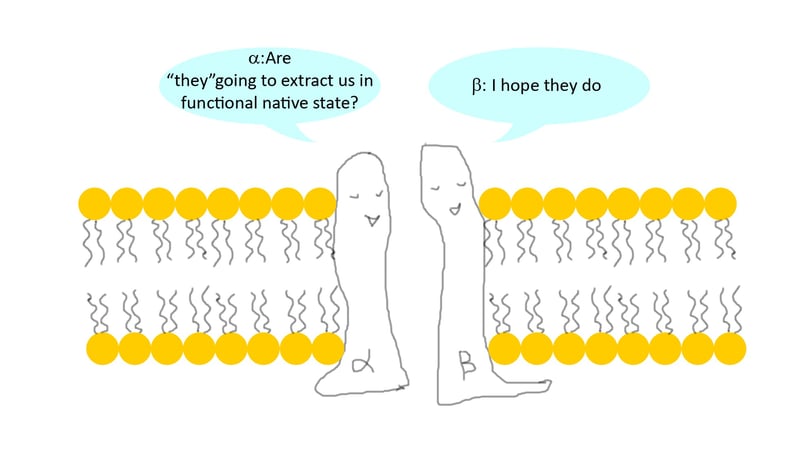
Membrane proteins play a key role in cellular processes including transport of molecules, signal transduction, utilization of energy and maintenance of cell and tissue structures. It has been determined by genome sequencing that around 30% of genes encode membrane proteins. Furthermore, they are pharmacologically significant as 50% of the current drugs target the membrane proteins.  It is therefore of utmost importance to isolate membrane receptor complexes in functional active form for functional and structural studies, crystallization etc. However in spite of their significance, knowledge of structure and function of membrane proteins is lagging behind soluble proteins due to hurdles like low abundance and their isolation in native form from biological membrane. The obstacle of low abundance of membrane protein can be overcome with heterologous expression of these proteins and employing techniques similar to expression of soluble or cytosol proteins. Isolation of membrane proteins from biological membrane is carried out by solubilization and this process needs fine-tuning in order to purify functionally active membrane receptors complexes.
Read More

Topics: Protein Extraction

Mitochondrial DNA from Fungi (yeast) via Spheroplasts

Posted by The Protein Man on Jun 13, 2017 2:30:00 PM

INTRODUCTION

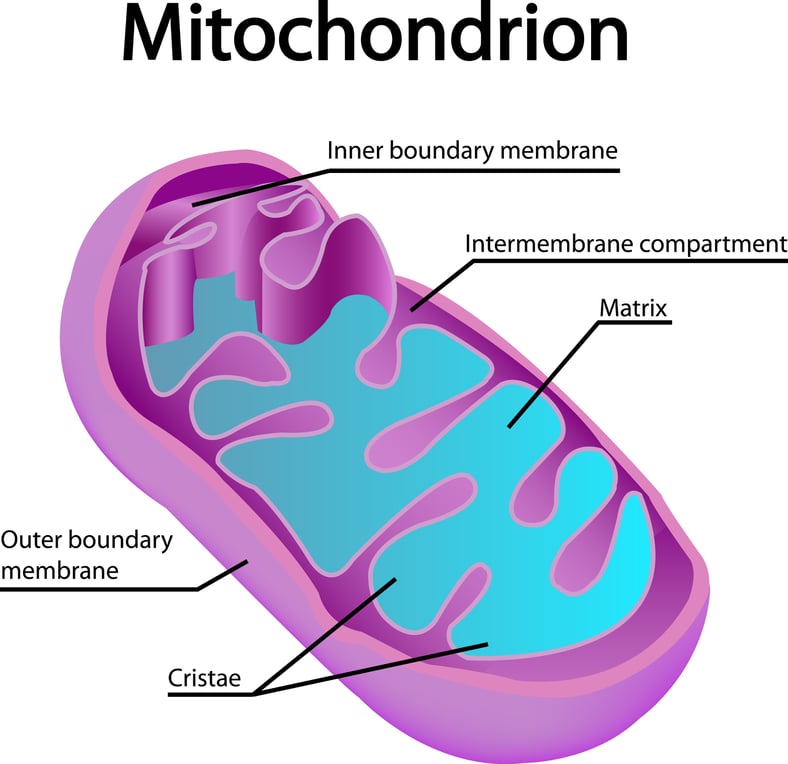
When we speak of mitochondria, anyone with knowledge of life science could tell you of its presence in animal cells and absence in plant cells. However, it should not be forgotten that another kingdom shares this cellular powerhouse - kingdom fungi.

Read More

Topics: Molecular Biology, Protein Extraction

The Differences between a Protoplast and a Spheroplast (And Their Subsequent Uses)

Posted by The Protein Man on May 16, 2017 2:30:00 PM

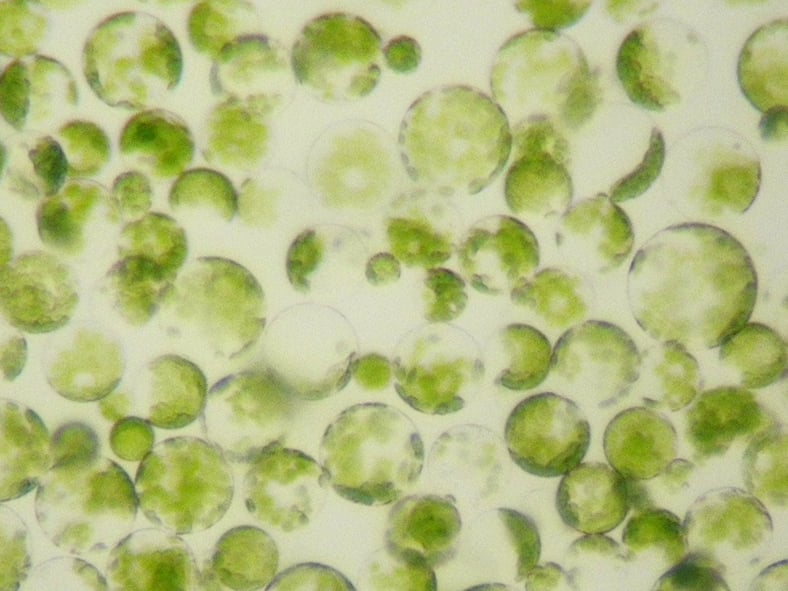
Both protoplasts and spheroplasts refer to altered forms of plant, bacterial or fungal cells from which the cell wall has been partially or completely removed. These cells usually have all the other cellular components, except for the cell wall. When used in reference to bacterial cells, protoplasts may also refer to the spherical shape assumed by gram-positive bacteria while spheroplasts refer to the spherical shape assumed by gram-negative bacteria upon partial or complete removal of the cell wall. Cells with compromised cell walls assume a characteristic spherical shape to better withstand the rigors of its surrounding environment. They are also extremely sensitive to osmotic and mechanical shock.

Read More

Topics: Protein Extraction

Cellulase, a lytic enzyme to break plant cell walls for protein extraction

Posted by The Protein Man on May 9, 2017 2:23:34 PM

Lytic enzymes such as cellulase, lysozome, labiase, achropeptidase and a number of others, play a significant role in protein and DNA extraction. While different lytic enzymes can be used for different applications, cellulase is usually the enzyme of choice when it comes to breaking down plant cell walls. What is it about cellulase that makes it particularly useful for plant cell lysis? Here are some things you should know.

Read More

Topics: Protein Extraction

Want more Protein Man blogs?

Purification_resins
Ellyn Daugherty's Biotechnology: Science for the New Millennium