0 Comments Click here to read/write comments
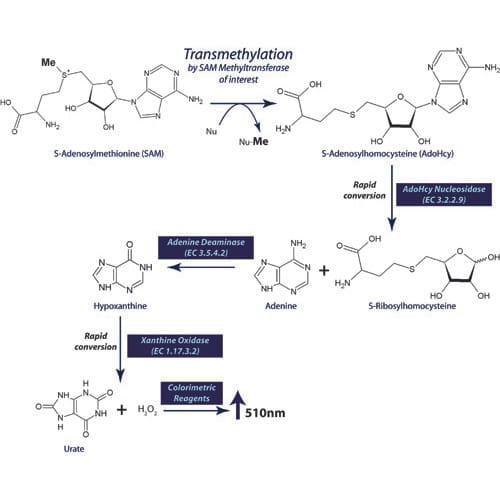
Topics: AdoMet, Urate, AM methyltransferases, S-adenosylhomocysteine (SAH), S-ribosylhomocysteine, Adenine deaminase, Hydrogen peroxide, SAM510, S-adenosylmethionine (SAM), Hypoxanthine, SAM-fluoro
0 Comments Click here to read/write comments
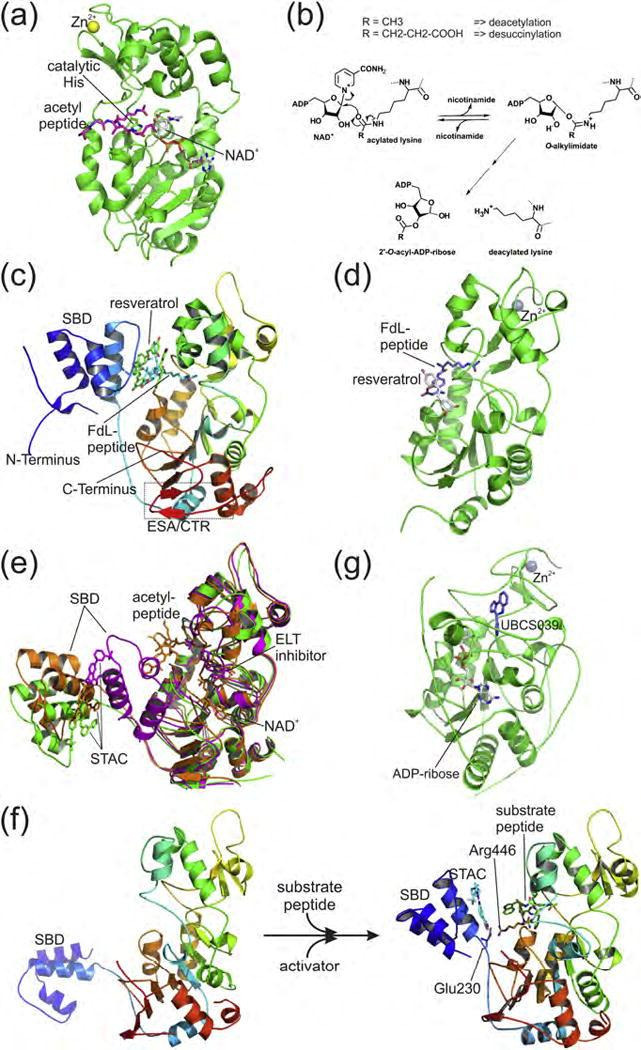
Topics: Sirtuin, Sirtuin isoforms, NAD+, Sirtuin inhibitors, Deacetylases, Deacylases, Nicotinamide, Sirtinol, SIRT, Sirtuin activators, Resveratrol, Nicotinamide Mononucleotide
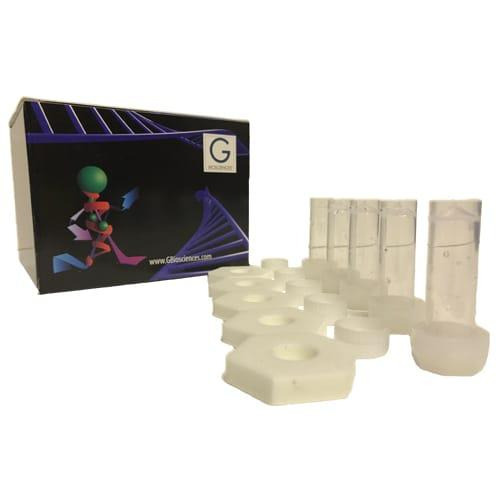
Protein instability rarely announces itself with obvious warning signs. A sample that appears homogeneous after purification may show visible aggregation overnight; an enzymatic assay that previously yielded reproducible results may yield inconsistent kinetics; aliquots subjected to repeated freeze-thaw cycles may exhibit progressive loss of biological activity. In such cases, the buffer system formulation is the underlying cause — yet it remains among the last variables scrutinized during troubleshooting.
Buffer formulation should be addressed as a primary experimental variable once core experimental parameters are established. Approaching it systematically and deliberately has measurable consequences for protein behavior across purification workflows, storage conditions, and downstream functional applications.
0 Comments Click here to read/write comments
Topics: Protease Inhibitors, Protein Extraction, Protein stability, pH, Cryoprotectants, Carrier proteins, Buffer selection, Ionic strength, Reducing agents, Dialysis, Dry Powder Buffer Packs

Histology is the microscopic study of tissues and organs through sectioning, staining, and examination. Histology allows for the visualization of tissue structure and characterization of changes the tissue may have undergone. It is utilized in medical diagnosis, scientific study, autopsy, and forensic investigation.
0 Comments Click here to read/write comments
Topics: Malachite Green, Histology stain, Alcian Blue, Crystal Violet, Gill's Hematoxylin, Eosin Y solution, Gram Stain, Giemsa stain, Neutral Buffered Formalin (NBF), Safranin, Wheatley Trichrome Stain