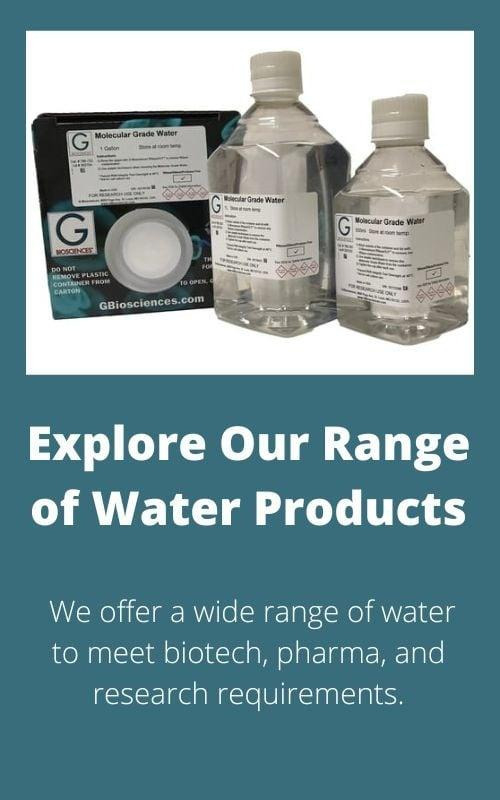
Water is described as the “universal solvent,” and in scientific research and industrial processes, its quality can be the single most critical variable in success or failure. Contaminants present in water—ions, organics, particulates, and microbes—can interfere with chemical reactions, skew analytical readings, promote microbial growth, or corrode sensitive equipment. Consequently, a rigorous classification system for water purity has been established. Understanding the types and grades of water is essential for selecting the right water for the right application, ensuring reliability, reproducibility, and safety.
This guide details the major types of purified water, defined by international standards from organizations like ASTM (American Society for Testing and Materials), ISO (International Organization for Standardization), CLSI (Clinical and Laboratory Standards Institute), USP (United States Pharmacopeia), and their specific applications across different sectors.