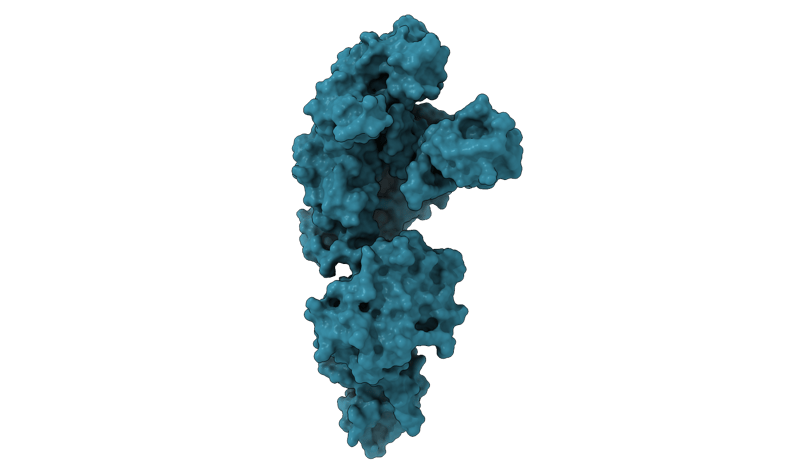
Life scientists know the frustration of running PCR (Polymerase Chain Reaction), checking the product on a gel or sequencing, and discovering that the amplified product contains unwanted DNA sequence. A single base error or insertion can alter a reading frame, disrupt a protein’s function, and compromise downstream analysis and application. These issues can originate during amplification if the choice of DNA polymerase fails to provide the accuracy the application requires. Selecting the right DNA polymerase enzyme is critical for achieving accurate, reproducible amplification, especially when the application demands high fidelity.
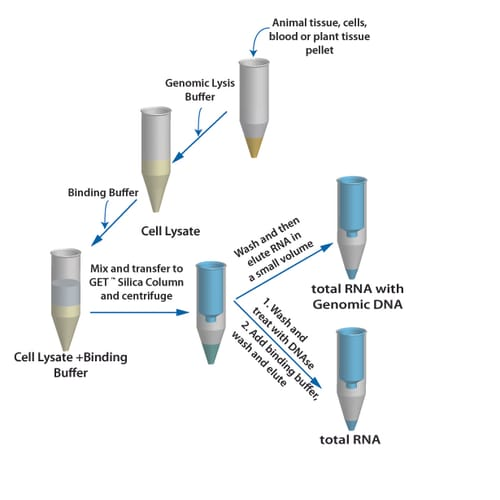
Choosing the Right DNA Polymerase for Precise PCR Amplification
Topics: Taq DNA Polymerase, Fidelity, Taq Polymerase, Cloning, PCR, Pfu Polymerase, KOD Polymerase, DNA proofreading, Exonuclease activity, Processivity
From RNA to Protein: Unlocking the Secrets of Gene Expression
Gene expression is the fundamental process by which the genetic code within DNA is translated into functional proteins, the workhorses of the cell. This intricate process involves two key steps: transcription (where DNA is transcribed into RNA) and translation (where RNA is translated into protein). Understanding the journey from RNA to protein is not only a cornerstone of molecular biology but also a critical area of research for advancements in medicine, biotechnology, and synthetic biology.
Topics: Translation, Taq DNA Polymerase, quantitative Polymerase Chain Reaction (qPCR), Gene expression, Transcription, complementary DNA (cDNA), Reverse Transcriptase (RT)