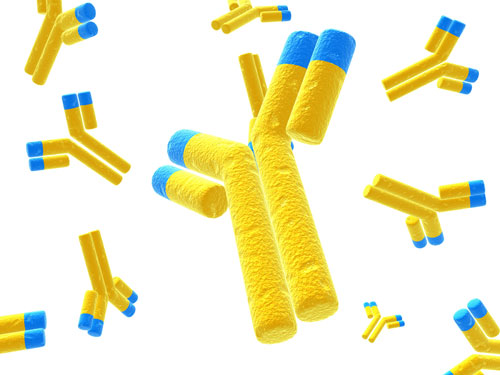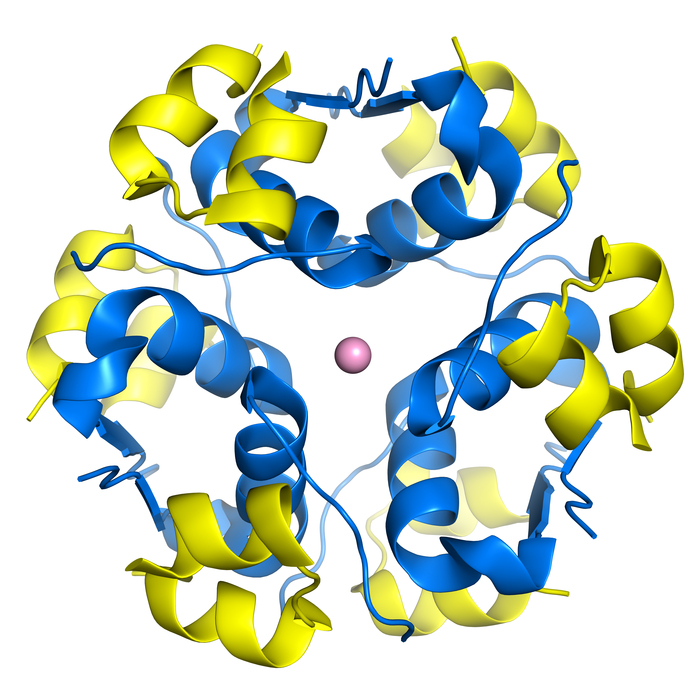
Tagging your protein of interest can be extremely useful since it simplifies the purification protocol, improves the yield and solubility of your protein of interest and promotes the proper folding of their fusion partners. Due to their versatility, affinity tags (peptide sequences that are appended to the target protein) are recognized as one of the most powerful tools that can be used for basic biological research and in structural and functional proteomics as well.
Using Tags in Protein Purification: When Should You Use Them?
Posted by
The Protein Man on Sep 8, 2014 9:00:00 AM
1 Comment Click here to read/write comments
Topics: Protein Purification
What You Need to Know About NTA and IDA Ligands
Posted by
The Protein Man on Aug 18, 2014 9:00:00 AM
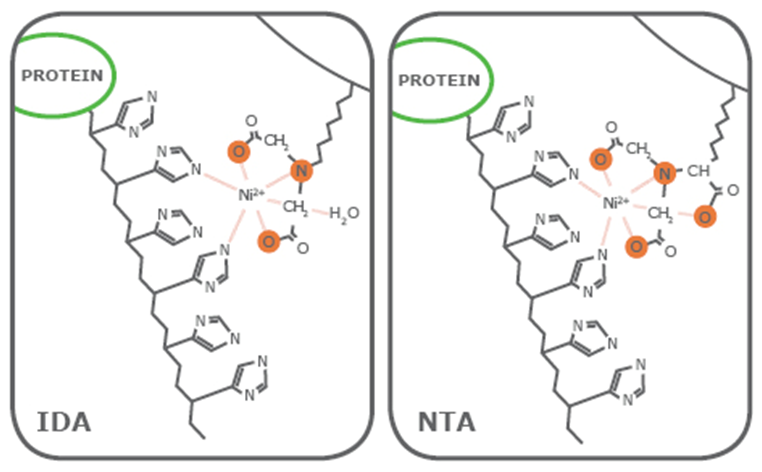
Since 1975, immobilized metal affinity chromatography (IMAC) has been popularly used in purifying proteins, especially those that are fused to a polyhistidine tag, typically a 6X His tag. This process gained immense popularity since it allows for the efficient purification of proteins, even those from crude lysates. In addition, its robust nature makes it ideal for methods that require protein-specific conditions. Its functional simplicity, affordability and compatibility with a wide range of reagents also add to its popularity.
0 Comments Click here to read/write comments
Topics: Protein Purification
Basically, protein tags are peptide sequences that are attached to proteins to facilitate easy detection and purification of expressed proteins. In addition, they can also be used to identify potential binding partners for your protein of interest.
4 Comments Click here to read/write comments
Topics: Protein Purification
How to generate an antibody affinity column for protein purification?
Posted by
The Protein Man on Oct 23, 2013 10:08:00 AM
How to we immobilize our antibody over a column to extract the antibody's specific antigen from different samples?
2 Comments Click here to read/write comments
Topics: Protein Purification, Antibody Production